
Family Place is part of a large network of Family Resource programs operating across Canada. We are excited to share with you a new website that showcases our wonderful companion programs across the province. Take a few moments and check out our neighbours on mainland Nova Scotia. See something you like? See something that peeks…
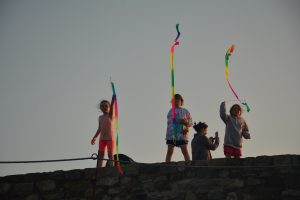
History and Significance of Diwali Although, there are no official records stating the origin of Diwali; among many legends about this festival, one thing is common — the triumph of good over evil. It would be apt to say that different parts of the nation celebrate this day for different reasons. The northern part of…

Healthy Tips to Keep in Mind During the Upcoming Holiday Season Wear your mask if you are going to be indoors or around a crowd of people. It will help keep the spread of COVID down. Be certain to stay up-to-date with recommended vaccinations. Wash your hands often to keep yourself from spreading germs and…

Did you know that National Child Day has been celebrated across Canada since 1993? It is a special day that is set aside to commemorate the United Nations’ adoption of two documents centered on children’s rights: the United Nations Declaration of the Rights of the Child on November 20, 1959, and the United Nations Convention on the Rights…

Our Fall Programming schedules are set and we have loads of exciting programs and services to offer you. No matter where you are located around the Island, our staff are ready to engage with you and your family. We are offering lots of programs and services to support you as parents and caregivers – and…
Teaching opposites is an ideal way to help improve your child’s ability to communicate. The addition of descriptive words to their vocabulary will greatly transform the level of detail your child can convey – ‘soft bunny’, ‘big teddy’ or ‘little boy’. You can teach opposites to your child through a range of simple activities at home. Teaching Opposites with Games…
Sledding and Tobogganing Ensure that the hill is free of hazards – trees, rocks, bumps, fences and bare spots. Do not sled on ice-covered areas. Ensure that the hill is situated away from roads, rivers or railroads and that there is plenty of room to stop at the bottom of the hill. Look for…
Clothing for Outdoor Play All winter activities require warm, dry clothing. To prevent frostbite, children should be dressed in warm clothes, including: a hat and clothing made of tightly woven fibers, such as wool, which trap warm air against your body. A few lighter layers protect better than one heavy garment loose layers (an absorbent synthetic…
Social Determinants of Health Research and Government Strategies – Keeping Ourselves Informed If you check under the Understanding the Early Years Tab you will see a few new web pages that have recently been added to our site. The first of these pages is a page dedicated to sharing resources connected to the Social Determinants…
Events & activities across Cape Breton Island
Programs offered by the Cape Breton Family Place Resource Centre

Streetproofing Your Child
A session for parents of children who are entering school, this program focuses on understanding stranger danger and helping parents and children increase their awareness and preparation for the naturally growing levels of independence as children grow older.
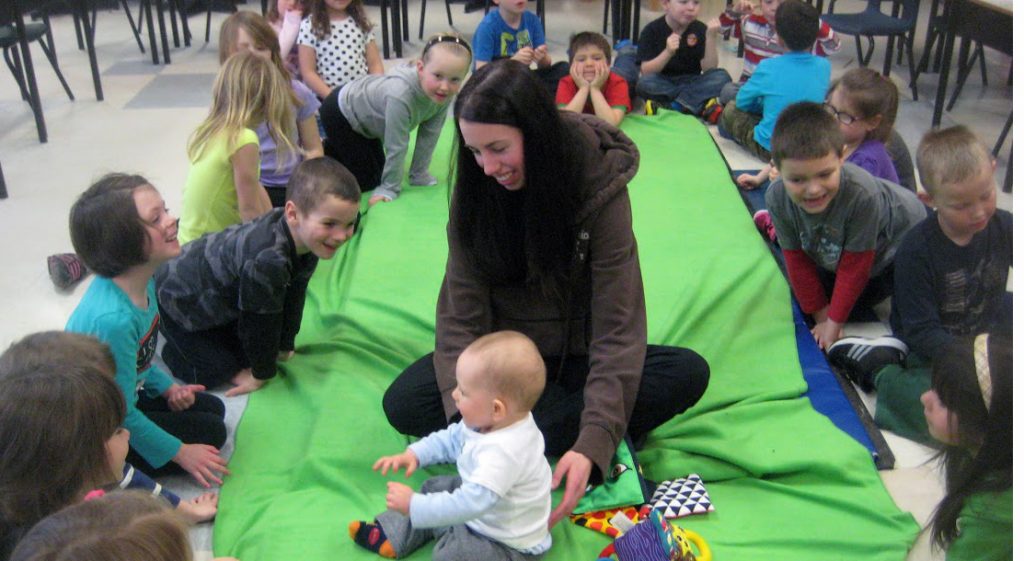
Roots of Empathy
Roots of Empathy delivers an innovative classroom-based parenting program that aims to reduce aggression through the fostering of empathy and emotional literacy to school children at the Grade Primary or Grade One level. It provides an opportunity for children to observe the growth and development of a newborn over a nine month period. Along with…
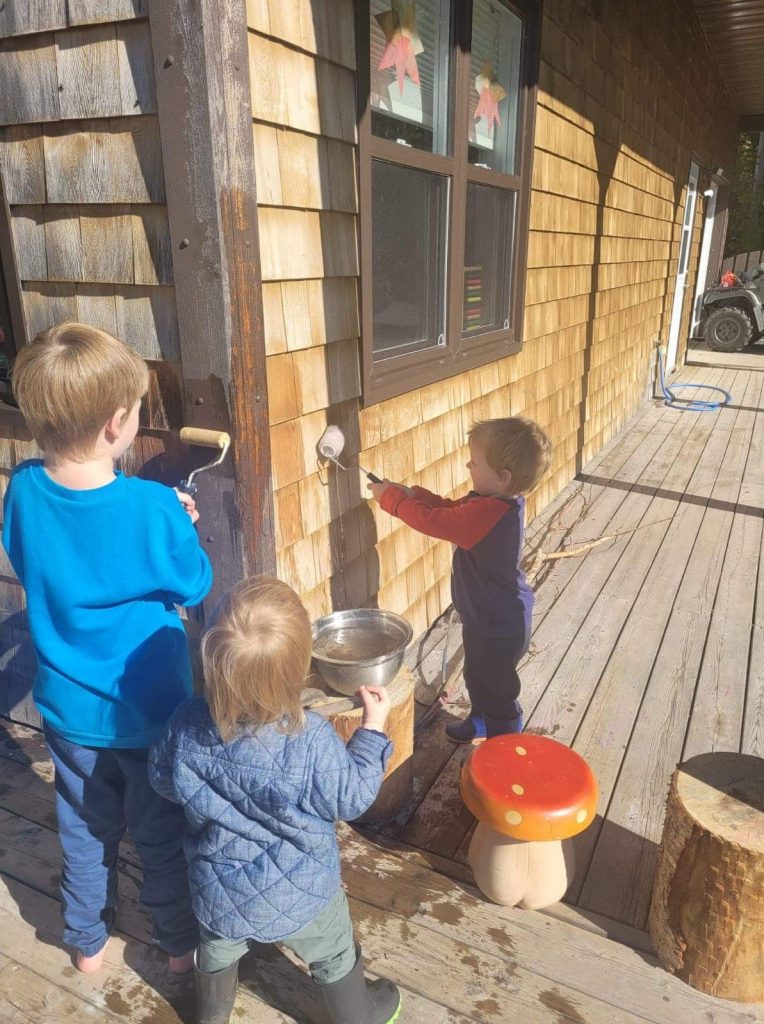
Parenting Journey Home Visiting Program
This program offers the services of a friendly, experienced home visitor to visit families with children from ages three to sixteen years. Staff support families in a variety of ways. They may offer support with stress management, parenting issues and challenges, housing, food security, discipline, accessing community resources, meeting basic needs, budgeting, healthy lifestyle choices,…
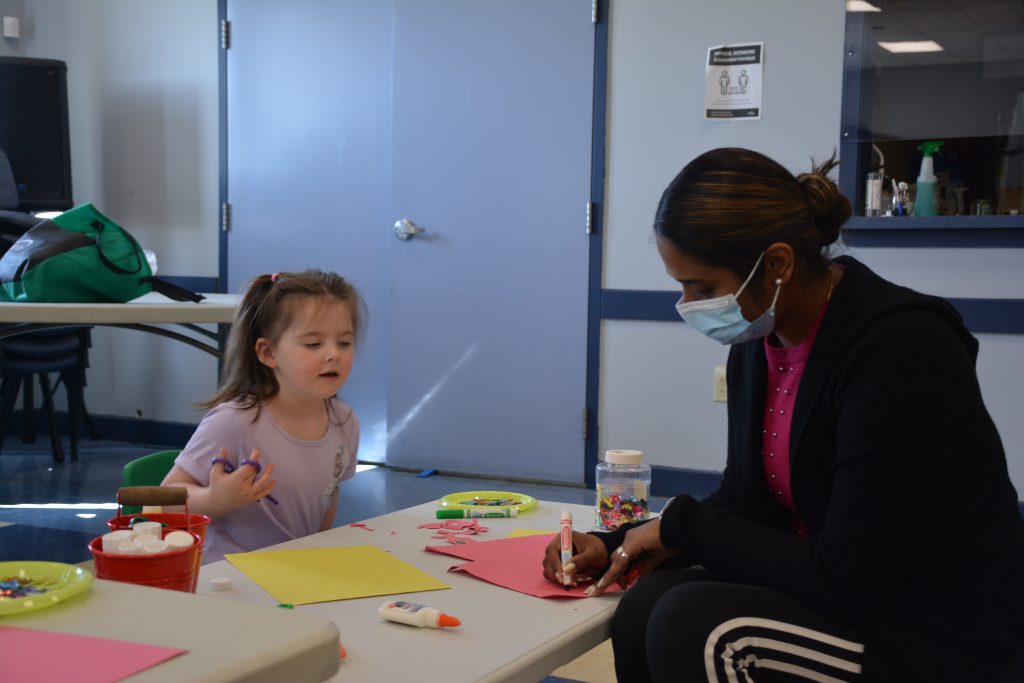
Building Connections
Connections is a group intervention for mothers and children. The Connections program has two main objectives. To present a thorough background to the issue of family violence, parenting and substance use; and To present a six week group model for working with mothers experiencing or with a history of experiencing violence in relationships. The Connections group helps…
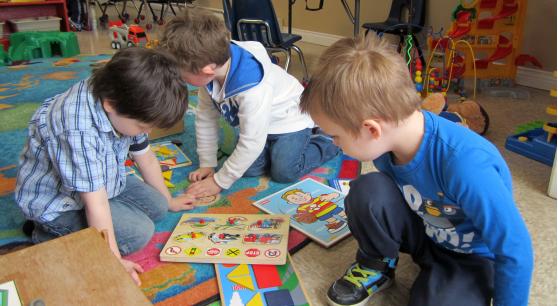
A Simple Gift – How Learning Begins
A program designed to assist parents in understanding the importance of an infant’s attachment relationship with parents, particularly during the first year of life. It uses the ideas of attachment theory and research to focus on different ways that parents and caregivers may respond to infants’ cues. Negative emotions (anger, sadness, fear, jealousy) and the…
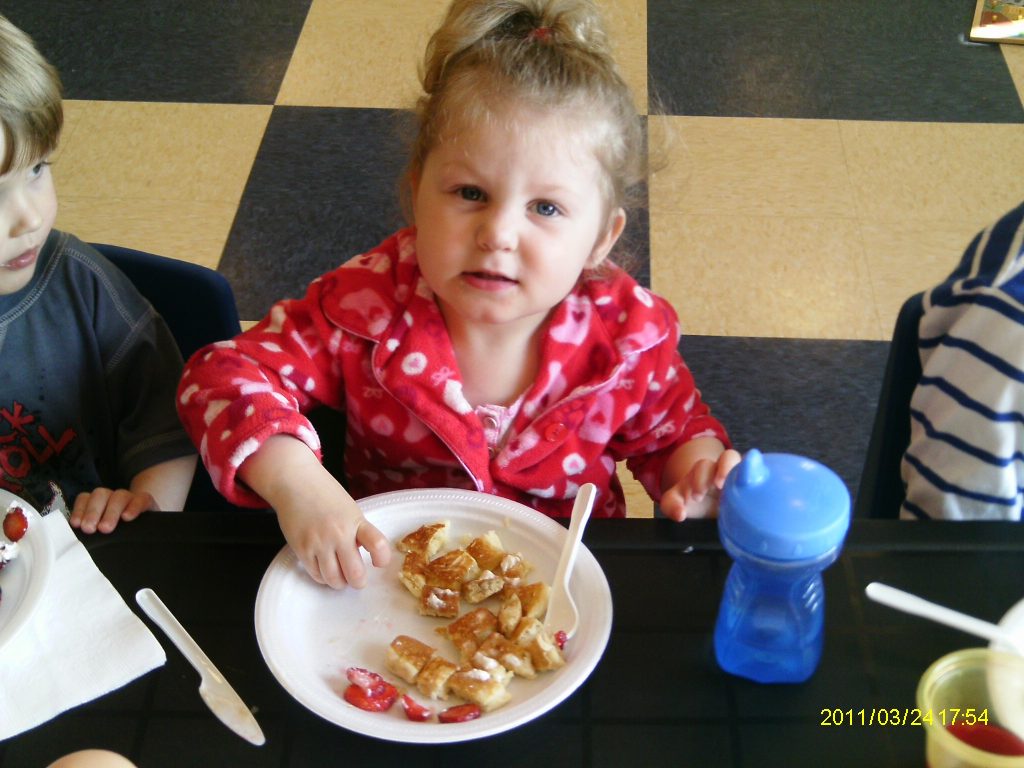
Maggie’s Magic Cupboard
This nine week program will provide participants with opportunities to share knowledge and increase skills related to cooking, eating healthy, food safety, and saving money on food. Participants prepare a full meal each week, participate in a guided grocery store tour, and are provided with a low cost recipe book at the end of the…
Tools for a Healthy Family
A program that helps parents build and share the parenting skills they have as well as learn new skills for living a healthy lifestyle. Components include physical activity, low cost cooking, and stress management.
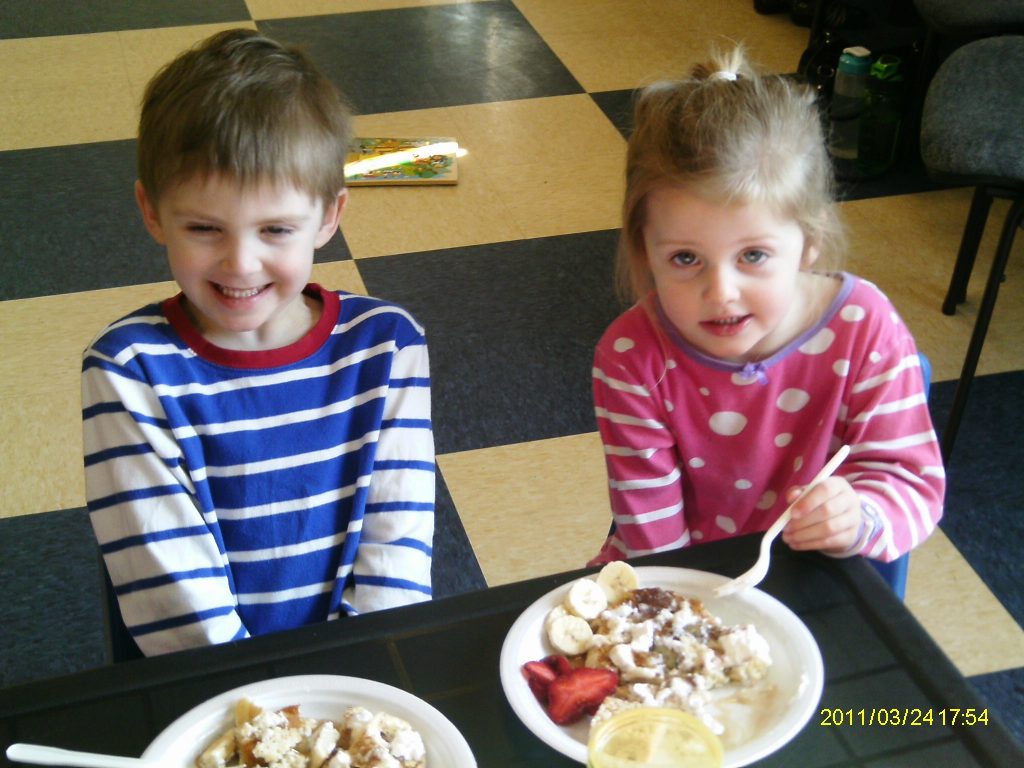
Heart Smart Cooking
A program designed to help parents and caregivers learn how to make healthy food choices for their families without going broke. Recipes are shared, new foods are tried, and handy tips for stretching that grocery dollar are discussed. The focus is on healthy choices that are available within a limited budget.
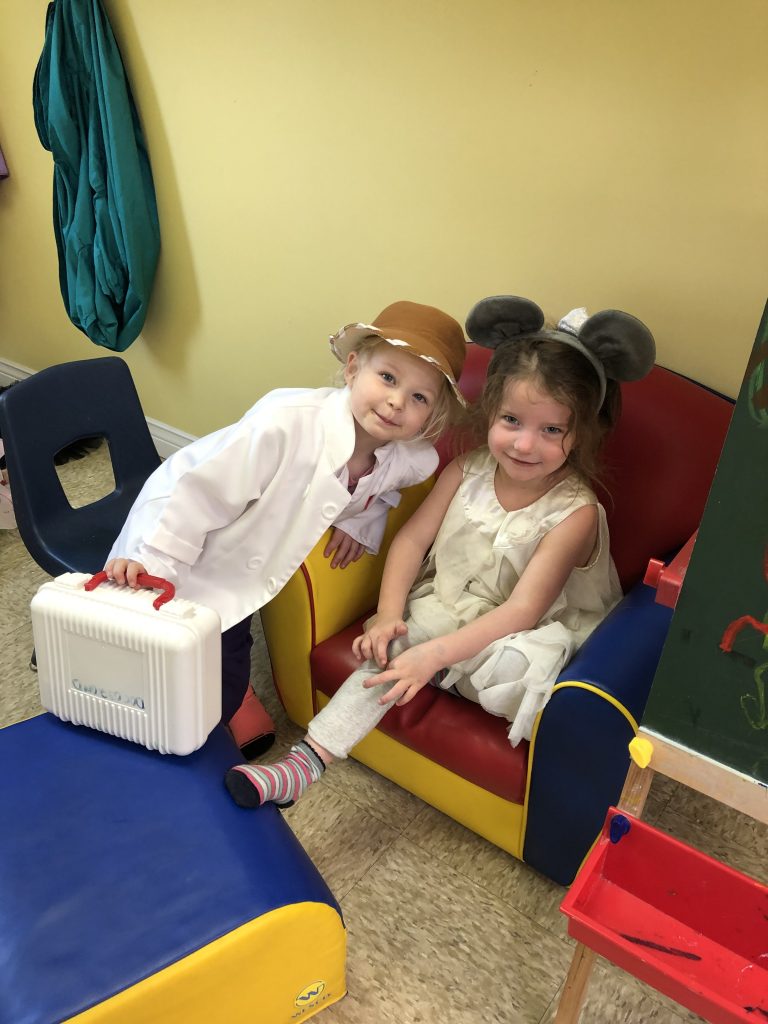
First Aid/CPR Training
A program offered to parents, child care providers and regulated child care staff that teaches Emergency First Aid and CPR training. Participants are fully certified and receive a certificate upon the successful completion of this program.
Personal Stress Management
This is a four to six week program for parents offering easy to follow steps that will help participants identify stress and healthy ways of dealing with it. Topics include Introduction to Stress, Stress Hardiness, Insomnia, and Productive and Unproductive Responses to Stress.
Research and Results
CAPC and CPNP: Sowing the Seeds for Enhanced Capacity in Atlantic Canada
This report synthesizes the results from the CAPC and CPNP project evaluation reports submitted to PHAC Atlantic in 2005. It specifically looks at how creating supportive environments and providing opportunities for participation and involvement enhances capacity-building at the individual, project and community levels. Qualitative data from a selection of 30 reports were broken into meaningful…
At the Heart of Our Work: The Theoretical Framework and Core Elements of the Reporting and Evaluation System for CAPC and CPNP in Atlantic Canada
At the Heart of Our Work is a product of an ongoing, participatory process with parents, staff, volunteers, community partners, provincial and federal government representatives, evaluators and researchers associated with the Community Action Program for Children (CAPC) and the Canada Prenatal Nutrition Program (CPNP) in Atlantic Canada. The purpose of the document is to outline a…